
AI Personal Assistant Apps 2026: What Users Should Expect
Anúncios
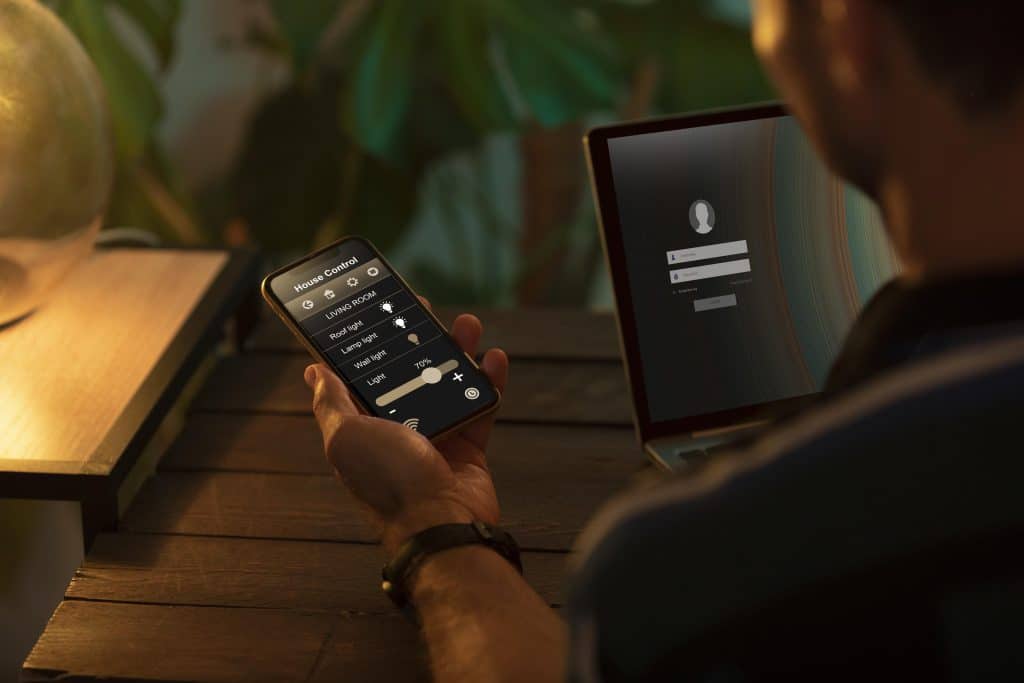
AI personal assistant apps in 2026 will enhance productivity through increased personalization, integration with smart devices, and advanced natural language processing, making daily task management more efficient.
AI personal assistant apps 2026 promise to transform our daily routines, making task management smoother and more efficient.
Anúncios
Have you ever wondered how these advancements can fit into your lifestyle? Let’s dive into what the future holds.
Advancements in AI technology
Advancements in artificial intelligence have accelerated significantly in recent years, improving the capabilities of personal assistants. These systems are becoming more accurate, responsive, and useful in everyday tasks.
Anúncios
As 2026 approaches, AI personal assistants may offer deeper personalisation, better contextual understanding, and smoother integration across devices. They could help users organise schedules, manage information, and automate routine activities.
Future innovation will also increase the importance of privacy, security, and transparent data use. The most successful assistants will need to balance convenience with responsible and trustworthy technology.
Improved Natural Language Processing
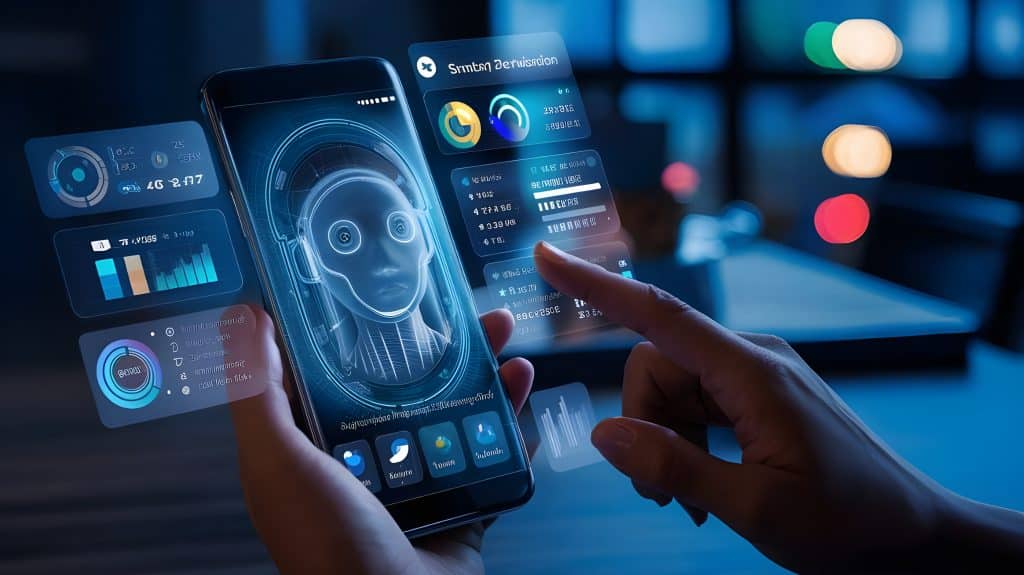
One of the most important areas of progress is natural language processing, which helps personal assistants understand and respond to human speech more accurately. This makes interactions faster and easier.
As NLP systems improve, they can interpret context, intent, tone, and subtle differences in meaning more effectively. These capabilities allow assistants to handle more complex requests and follow conversations with greater continuity.
More advanced language understanding can make digital interactions feel increasingly natural and personalised. However, accuracy, privacy, and transparency will remain essential as these systems become more capable.
Machine Learning Enhancements
Another significant advancement is in machine learning. By learning from user interactions, AI personal assistants can provide more personalized experiences.
This means that over time, your assistant will recognize your preferences and habits, making suggestions that are tailored just for you.
- Increased accuracy in speech recognition.
- Fast adaptations to individual user behaviors.
- Ability to analyze large datasets for improved performance.
Furthermore, integrating AI and data analytics allows these apps to become more proactive. Think of a personal assistant reminding you of your schedule or suggesting alternatives based on traffic conditions or weather forecasts. This proactive approach enhances productivity.
Cloud computing also plays a vital role in these advancements. With cloud technology, AI assistants can perform complex tasks without draining your device’s resources. This allows for smooth and efficient performance without delays.
Cross-Platform Functionality
Moreover, AI technology is advancing toward seamless integration across devices. Whether you’re using a smartphone, tablet, or smart home device, your personal assistant will work effortlessly across platforms.
This continuity makes it simpler to manage tasks from different environments. Overall, the pace of development in AI technology promises exciting changes.
With advancements in NLP, machine learning, and cross-platform functionality, the future of AI personal assistants looks bright. These innovations are set to make our lives easier, offering support that feels more intuitive and relational.
key features to look for
When exploring AI personal assistant apps, understanding the most useful features can help you choose the right option. The best tools should simplify daily tasks and adapt to your preferred way of working.
Important features may include voice recognition, calendar integration, reminders, task automation, and personalised recommendations. Strong privacy controls and compatibility across devices are also essential considerations.
As these apps continue to evolve, users should compare accuracy, ease of use, security, and subscription costs. Choosing an assistant with practical features can improve productivity and create a smoother digital experience.
User-Friendly Interface
A user-friendly interface is essential when choosing an AI personal assistant app. Clear menus and simple navigation make it easier to access important features without unnecessary confusion.
An intuitive design should allow users to set reminders, schedule tasks, and adjust preferences quickly. Well-organised controls can reduce the time needed to learn how the app works.
Personalisation options should also be easy to find and manage. A smooth, accessible interface helps users complete everyday tasks more efficiently and improves the overall experience.
Customization Options
The ability to customize is a game-changer. An effective AI assistant should let you set preferences for notifications, themes, and even voice options. Personal touches make your interaction more engaging and tailored to your needs.
- Choose preferred languages.
- Select different voice tones.
- Adjust reminder settings according to your schedule.
Smart Integrations with other applications are also crucial. Your assistant should seamlessly connect with your calendar, email, and even smart home devices. This integration allows everything to work together, making your workflow smoother and more efficient.
Consider how the app handles privacy and security. In today’s digital world, keeping your information safe is paramount. Look for features that ensure your data is protected, such as end-to-end encryption and strict data policies.
Voice Recognition Accuracy
Voice recognition accuracy is another key feature. An AI personal assistant should understand commands quickly and accurately. A responsive voice recognition system can minimize frustration and save time during your interactions.
Furthermore, the app’s compatibility with various platforms adds to its value. Check if your AI assistant works well with smartphones, tablets, and smart speakers. This cross-platform functionality ensures you can access your assistant wherever you are.
Overall, focusing on these key features will help you choose the right AI personal assistant app for your needs. With a focus on customization, smart integrations, and security, you can ensure a more satisfying user experience.
impact on productivity
The impact of AI personal assistants on productivity continues to grow as these tools become more capable and responsive. They can help users save time by organising information and handling routine tasks.
Features such as reminders, scheduling, note-taking, and workflow automation can simplify daily activities. By reducing repetitive work, personal assistants allow users to focus on higher-priority responsibilities.
The greatest benefits depend on choosing tools that are accurate, secure, and compatible with existing apps. When used effectively, an AI assistant can support better organisation, time management, and overall efficiency.
Time Management Improvements
AI assistants can support time management by organising schedules and keeping important commitments in one place. They help users see upcoming tasks, meetings, and deadlines more clearly.
Automated reminders can reduce the risk of forgetting appointments or missing important responsibilities. Some assistants can also suggest suitable times for tasks based on existing calendar availability.
By simplifying daily planning, these tools can improve organisation and make routines more efficient. Their effectiveness depends on accurate information, appropriate notification settings, and consistent use.
Task Automation
Another way these assistants boost productivity is through task automation. Repetitive tasks such as sending reminders or managing emails can be automated. This frees up your time, allowing you to concentrate on more critical projects.
- Automating email responses.
- Setting follow-up reminders.
- Organizing to-do lists automatically.
Furthermore, AI personal assistants use data to provide insightful recommendations. For instance, they can analyze your past behaviors to suggest optimal times for meetings or breaks. This predictive analysis not only enhances productivity but also improves work-life balance.
Additionally, by integrating with other software and tools, personal assistants can create a seamless workflow. They can pull information from various sources, helping you stay organized without manual input.
Enhanced Collaboration
AI personal assistants can also enhance collaboration in team settings. These tools can schedule meetings, share updates, and manage group tasks, keeping everyone in the loop. Communication becomes effortless, further supporting productivity.
Overall, the impact on productivity from AI personal assistants reflects their potential to transform how we work.
With features aimed at improving time management, automating tasks, and enhancing collaboration, these tools are essential for anyone looking to work more efficiently.
how to choose the right app
Choosing the right AI personal assistant app can improve daily productivity and make task management more efficient. The best option should match your routine, priorities, and preferred way of working.
Important factors include accuracy, ease of use, available integrations, privacy controls, and device compatibility. Features such as reminders, scheduling, automation, and voice commands should also be compared.
Subscription costs and data policies deserve careful attention before making a decision. Testing different apps can help identify which assistant offers the most practical and reliable support.
Identify Your Needs
Start by identifying the specific tasks you want an AI personal assistant to handle. Clear priorities make it easier to compare apps and avoid paying for features you may not use.
Consider whether you need help managing schedules, setting reminders, organising tasks, or automating routine activities. Integration with calendars, email, and other apps may also be important.
Once your requirements are defined, you can narrow the available options more effectively. Choosing an app based on practical needs increases the likelihood that it will support your daily routine.
Evaluate Features
Next, evaluate the features offered by different apps. Look for functionalities such as voice recognition, task automation, and integration capabilities. The right app should align with your workflow and provide tools that enhance your productivity.
- Check if it supports multiple languages.
- Review the level of customization available.
- Ensure compatibility with your existing devices.
Another important aspect is user reviews. Reading experiences from other users can provide valuable insight into the app’s reliability and functionality. Pay attention to both positive and negative feedback to get a balanced view.
Additionally, consider the app’s cost. Some apps offer free versions with limited features, while others may require a subscription. Determine what you are willing to invest based on the value the app provides.
Try Before You Buy
If possible, take advantage of free trials to test different apps. Trying out an AI assistant firsthand allows you to see how well it meets your expectations. Assess its responsiveness, ease of use, and how it integrates into your daily tasks.
Lastly, think about the level of customer support provided. An app with responsive support can be crucial in resolving issues or answering questions as they arise. Check if there are resources like FAQs, tutorials, or live support options available.
By considering these key factors—your needs, features, user reviews, costs, trials, and customer support—you can make a more informed decision when choosing the right AI personal assistant app for your lifestyle.
privacy and security concerns
Privacy and security are essential considerations when using AI personal assistants. These apps may process sensitive information such as schedules, messages, contacts, locations, and voice recordings.
Users should review what data is collected, how long it is stored, and whether it is shared with third parties. Strong encryption, clear permission controls, and multi-factor authentication can provide additional protection.
Before choosing an assistant, examine its privacy policy and available security settings. Limiting unnecessary permissions and regularly reviewing account access can help reduce exposure and protect personal information.
Data Encryption
A key security feature to look for in an AI personal assistant is data encryption. Encryption converts personal information into a protected format that unauthorised users cannot easily read.
Strong encryption can help safeguard messages, account details, voice recordings, and other sensitive data during transmission and storage. It reduces the risk of exposure if information is intercepted or systems are compromised.
Users should check whether the app explains how data is encrypted and protected. Encryption is most effective when combined with secure passwords, multi-factor authentication, and careful permission management.
User Control Over Data
Another important aspect is user control. Many apps allow users to manage their data settings actively. Look for options that enable you to decide what information is collected and stored. This control enhances privacy and gives you peace of mind.
- Choose apps that offer transparency about data usage.
- Look for options to delete your data permanently.
- Read the privacy policies carefully.
Additionally, consider how the app handles third-party access. Some personal assistants may share your data with other services for improved functionality. Make sure you are comfortable with these practices and understand the implications.
Another factor to consider is authentication methods. Apps that utilize multi-factor authentication provide an extra layer of security.
This means you will have to verify your identity using more than just a password, making it harder for unauthorized users to gain access.
Regular Updates and Security Audits
Frequent software updates are essential for addressing newly discovered vulnerabilities in AI assistant apps. Regular patches can strengthen security features and reduce exposure to emerging cyber threats.
Users should also check whether the provider conducts independent security audits and responds transparently to identified weaknesses. A clear update history can indicate how seriously the company treats ongoing protection.
Privacy and data security should remain central when choosing an AI assistant. Encryption, permission controls, third-party access policies, authentication methods, and consistent updates all help determine whether an app provides reliable protection.
future trends and predictions
The future of AI personal assistant apps is expected to bring more advanced, personalised, and proactive capabilities. These tools may become increasingly integrated into everyday routines at home and work.
Improved language understanding, automation, and cross-device connectivity could allow assistants to anticipate needs and complete more complex tasks. They may help users manage schedules, communications, purchases, and information more efficiently.
As these capabilities expand, privacy, security, accuracy, and user control will remain essential. The most successful AI assistants will balance convenience with transparent and responsible data practices.
Increased Personalization
One major trend in AI personal assistants is increased personalisation. Future tools may learn from user preferences, routines, and schedules to provide more relevant support.
This could include tailored reminders, smarter recommendations, and suggestions based on recurring habits. Over time, assistants may become better at anticipating needs and simplifying everyday decisions.
However, deeper personalisation also requires careful data management and clear user controls. The most useful assistants will balance convenience with privacy, transparency, and the ability to adjust what information is used.
Integration with IoT Devices

Integration with Internet of Things (IoT) devices is also expected to expand. As smart home devices become more common, personal assistants will control everything from lights to thermostats. This seamless interaction will create smarter living environments.
- Automated home security features.
- Enhanced climate control based on user preferences.
- Integration with smart appliances for cooking and cleaning.
Moreover, future personal assistants will leverage advanced natural language processing (NLP) capabilities. As NLP improves, these apps will understand conversations better and respond more naturally. This will create a smoother user experience and make interactions feel more like talking to a human.
Another important aspect is enhanced predictive capabilities. Upcoming versions of AI assistants will analyze your behavior to anticipate your needs. For example, they might suggest tasks or schedule events based on your typical patterns.
Greater Focus on Privacy
As these technologies evolve, a greater focus on privacy and data security will also emerge. Users are becoming more aware of their data rights.
Therefore, companies will likely enhance security features and provide clearer privacy settings to gain consumer trust.
Overall, the future of AI personal assistants is bright, with trends pointing toward greater personalization, seamless IoT integration, and improved user experiences. Keeping an eye on these developments can help users take full advantage of what AI technology has to offer.
FAQ – Frequently Asked Questions about AI Personal Assistant Apps
How can AI personal assistants improve my productivity?
AI personal assistants help manage tasks efficiently, set reminders, and streamline your daily activities, allowing you to focus on more important tasks.
What features should I look for in an AI personal assistant?
Look for features such as voice recognition, task automation, integration with other apps, and robust privacy settings.
Are my personal data safe when using AI assistants?
Reputable AI assistants use data encryption, provide user control over data, and focus on privacy, ensuring your information is secure.
What future trends can we expect in AI personal assistants?
Future trends include enhanced personalization, better integration with IoT devices, and improved natural language processing for more natural interactions.
Autor