
Last-mile Delivery Drones: Transforming Logistics Efficiency
Anúncios
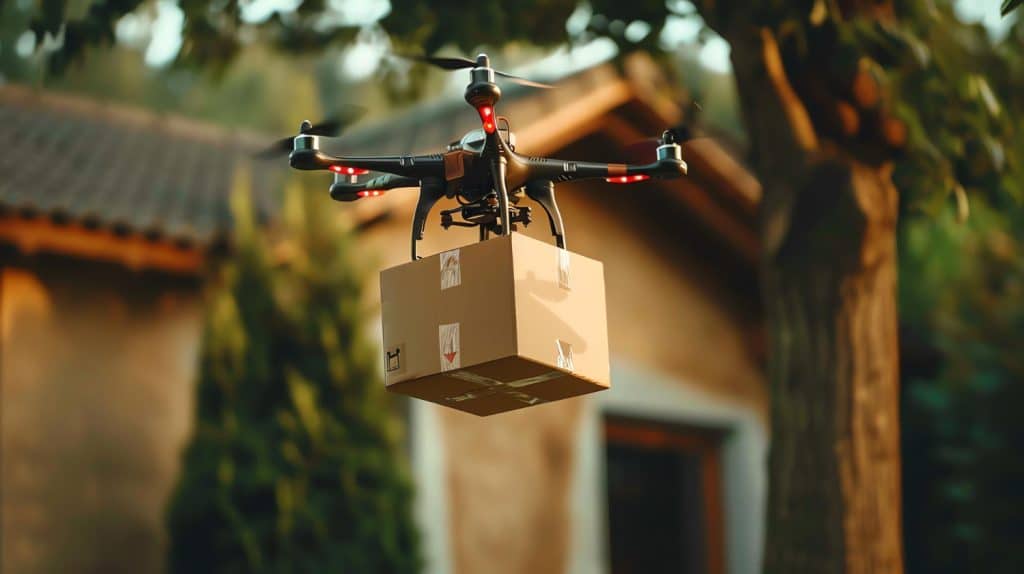
The future of logistics is no longer tethered to the ground, as last-mile delivery drones take to the skies to redefine how we receive goods. These autonomous flyers are bridging the gap between warehouses and doorsteps with unprecedented speed.
By bypassing urban congestion and traditional transit hurdles, these aerial couriers offer a streamlined alternative to conventional shipping methods. This shift toward unmanned aviation promises to slash wait times while significantly lowering the carbon footprint of every trip.
Anúncios
As technology matures and regulatory landscapes evolve, the integration of these sky-bound robots marks a pivotal moment for global supply chains. Are you ready for a world where your next parcel arrives from above?
The Dynamics of Final-Phase Logistics
Understanding the intricacies of the final leg in the supply chain is essential, as it represents the most critical and often the most expensive stage of the entire fulfillment process.
Anúncios
This specific phase, commonly known as the last mile, encompasses the journey of a parcel from a local distribution hub directly to the consumer’s doorstep.
Because this is the only point of physical contact between a brand and its customer, the efficiency of this movement dictates the overall perception of the service.
Today, the integration of last-mile delivery drones is transforming this traditionally labor-intensive segment into a high-tech operation that minimizes human error and maximizes precision.
The Strategic Impact of Optimized Distribution
The significance of streamlining the final delivery stage cannot be overstated, as it serves as the ultimate tiebreaker in a crowded e-commerce marketplace.
When businesses successfully optimize this journey, they do more than just move boxes; they reduce operational overhead, mitigate the environmental impact of idling delivery vans, and build profound brand loyalty through reliability.
The deployment of last-mile delivery drones provides a decisive competitive advantage by offering a solution that is both faster than road transport and immune to the unpredictable nature of urban traffic.
By mastering this final touchpoint, companies ensure that the promise of “instant gratification” becomes a consistent, scalable reality for the modern consumer.
How Drones Improve Delivery Efficiency
Drones are rapidly becoming a key part of the delivery process. These flying machines significantly enhance delivery efficiency in various ways.
By utilizing advanced technology, drones can navigate through urban landscapes and deliver packages quicker than traditional methods.
One major advantage of using drones is their ability to bypass traffic. Unlike delivery trucks stuck in congestion, drones can fly over obstacles, ensuring timely arrivals. Furthermore, drones can reach remote or hard-to-access areas, expanding delivery options for customers.
Speed and Reliability
Speed is crucial in today’s fast-paced market. Drones can reduce delivery times dramatically. Many companies are testing ways to decrease delivery timeframes to just minutes. This shift is changing customer expectations.
- Drones can deliver packages within a radius of 5-10 miles in less than 30 minutes.
- They require less manpower for deliveries, leading to lower operational costs.
- Automated systems help eliminate human error, increasing reliability.
As consumers lean more toward convenience, having a reliable delivery service reaches deeper into customer satisfaction. A speedy last-mile delivery option provided by drones means people get their essentials faster.
Another benefit is the flexibility drones offer businesses. They can be deployed for a variety of delivery needs, such as food, small packages, and medical supplies. This versatility is particularly vital during emergencies when speed is essential.
The integration of drones into delivery systems is also paving the way for sustainable practices. Drones typically use electricity, which helps reduce carbon emissions compared to gas-powered vehicles. As more companies commit to sustainability, using drones can be part of that plan.
Impact of drones on customer experience
The impact of drones on customer experience is profound and continues to evolve. Customers today seek convenience and speed when it comes to receiving their deliveries. Drones cater to these needs in various ways, transforming how customers interact with businesses.
One significant enhancement is the reduction in delivery times. With drones, packages can arrive within minutes of an order being placed. This speedy service satisfies customer demands for immediacy, leading to a positive perception of the company.
Improved Availability
Drones also offer greater availability of services. They can operate in areas that may not be easily reachable by traditional delivery vehicles. This means customers in remote, rural, or congested urban areas gain better access to essential services and products.
- Accessibility is improved in hard-to-reach locations.
- Consumers receive their packages faster, enhancing satisfaction.
- Drones can operate in various weather conditions, increasing reliability.
Another factor is the flexibility of delivery options. With drones, customers can choose specific times for delivery, often at the touch of a button. This aspect of control significantly enhances the user experience, as individuals can receive items when it suits them best.
Additionally, the use of drones can minimize product damage. Drones equipped with advanced technology can manage packages carefully during transit. This reduces the likelihood of mishaps during the last mile, contributing further to customer satisfaction.
Moreover, incorporating drones into delivery systems sends a message to customers that the business is innovative and forward-thinking.
People are often excited about new technologies, which can lead to increased customer loyalty. The perception of a brand that employs cutting-edge solutions tends to attract new clients.
In summary, the impact of drones on customer experience is marked by speed, accessibility, reliability, and the overall perception of the brand. As companies continue to adopt drone technology, customer satisfaction will likely see substantial improvement.
Challenges in implementing delivery drones
Implementing delivery drones presents several challenges that businesses must navigate. While drones offer numerous benefits, there are obstacles affecting their widespread adoption.
One primary concern is regulatory compliance. Governments worldwide are still developing rules for operating drones in urban areas.
Companies must adhere to these regulations, which can vary significantly by location. Ensuring compliance requires time and resources, making it a potential hurdle for many businesses.
Technological Limitations
Another challenge lies in the technology itself. Drones need advanced systems to navigate safely and avoid obstacles. Issues such as battery life and payload capacity can limit their efficiency.
Many drones currently have a limited range and can carry only lightweight packages. This restriction can hinder their ability to compete with traditional delivery methods.
- Battery limitations restrict how far a drone can fly.
- Payload capacity can affect the types of products that can be delivered.
- Weather conditions can impact drone operations and reliability.
Moreover, public acceptance is crucial. While many consumers are excited about drone deliveries, others may have concerns regarding safety, privacy, and noise. Gaining public trust is essential for businesses looking to implement drone technology effectively.
Companies must also consider the costs involved in acquiring and maintaining drones. Initial investment in drone technology can be significant.
Ongoing maintenance, training, and insurance further complicate the financial picture. Some businesses may find these costs prohibitive compared to traditional delivery methods.
Additionally, logistics and integration with existing systems pose challenges. Companies need to develop effective ways to incorporate drones into their current workflows.
This integration requires careful planning and coordination with existing delivery networks to ensure efficiency and reliability.
Future trends in drone delivery services
The future trends in drone delivery services are exciting and full of potential. As technology advances, we will see significant changes in how packages are delivered to customers. Drones will play an even bigger role in the logistics industry, addressing many current challenges.
One major trend is the increasing use of autonomous drones. These drones can fly without human control, using advanced navigation systems and artificial intelligence.
As technology improves, autonomous drones will become more reliable, allowing for safer and more efficient deliveries.
Integration with Smart Cities
Another emerging trend is the integration of drone services with smart city initiatives. As cities evolve, they will adopt technologies that allow for seamless transportation systems. Drones will collaborate with other smart devices to create an interconnected delivery network, optimizing routes and reducing delivery times.
- Improvement in air traffic management to safely manage drone flights.
- Collaboration between drones and autonomous vehicles for enhanced logistics.
- Tracking systems that provide real-time updates to consumers.
Moreover, sustainability will be a significant focus. Many companies are looking for ways to reduce their carbon footprint.
Drones typically rely on electricity, making them a greener alternative to traditional delivery methods that use fossil fuels. This shift aligns with global efforts to promote eco-friendly practices.
Another trend is the expansion of drone delivery to various sectors. While food and package delivery are common, other industries such as healthcare are starting to use drones for transporting medical supplies, prescriptions, and even organs for transplant.
This versatility will increase the demand for drone services across different sectors.
As regulations continue to evolve, we can expect more support for drone delivery systems. Governments are working to develop clear guidelines that will encourage the adoption of drone technology.
As a result, businesses will have a clearer framework to operate within, fostering innovation and growth in the drone delivery sector.
FAQ – Frequently Asked Questions About Drone Delivery Services
How do drones improve delivery speed?
Drones can deliver packages much faster than traditional methods by flying directly to the destination, avoiding traffic and other obstacles.
What challenges do companies face when implementing drones?
Companies must navigate regulatory compliance, technological limitations, and the cost of acquiring and maintaining drones.
Are drones environmentally friendly?
Yes, drones typically operate on electricity, reducing carbon emissions compared to gas-powered delivery vehicles.
What will the future look like for drone delivery services?
The future includes integrated systems with smart cities, advancements in technology, and broader applications across various industries.
Autor