Maximalist opulence in modern interior design
Anúncios
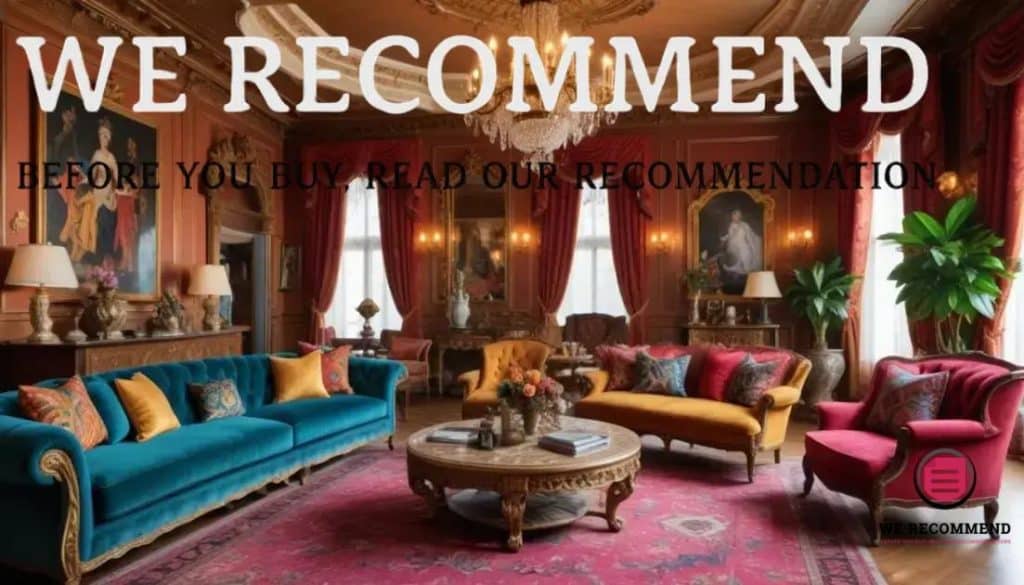
Maximalist opulence blends bold colors, rich textures, and expressive patterns to create vibrant interiors. This style highlights personal taste through layered design choices. It encourages creativity by showcasing items that reflect your story.
Maximalist opulence invites you to experiment with visual richness. The approach transforms rooms into expressive environments. It makes your home feel more alive through curated intensity.
Anúncios
Have you ever wondered how bold design shapes atmosphere? This trend helps elevate everyday living. Let’s explore how maximalism enhances personality and comfort.
Understanding maximalist opulence
Understanding maximalist opulence means embracing expressive and abundant design. This style encourages you to showcase your personality freely. It turns each space into a vivid reflection of your identity.
Anúncios
Maximalism celebrates boldness rather than restraint. The goal is to layer colors, textures, and memories in harmony. Every piece contributes to a narrative shaped by your experiences.
Are you ready to explore this vibrant world? Maximalism allows creativity without limits. Let’s uncover how this style brings emotion and energy into your home.
Key Features of Maximalist Design
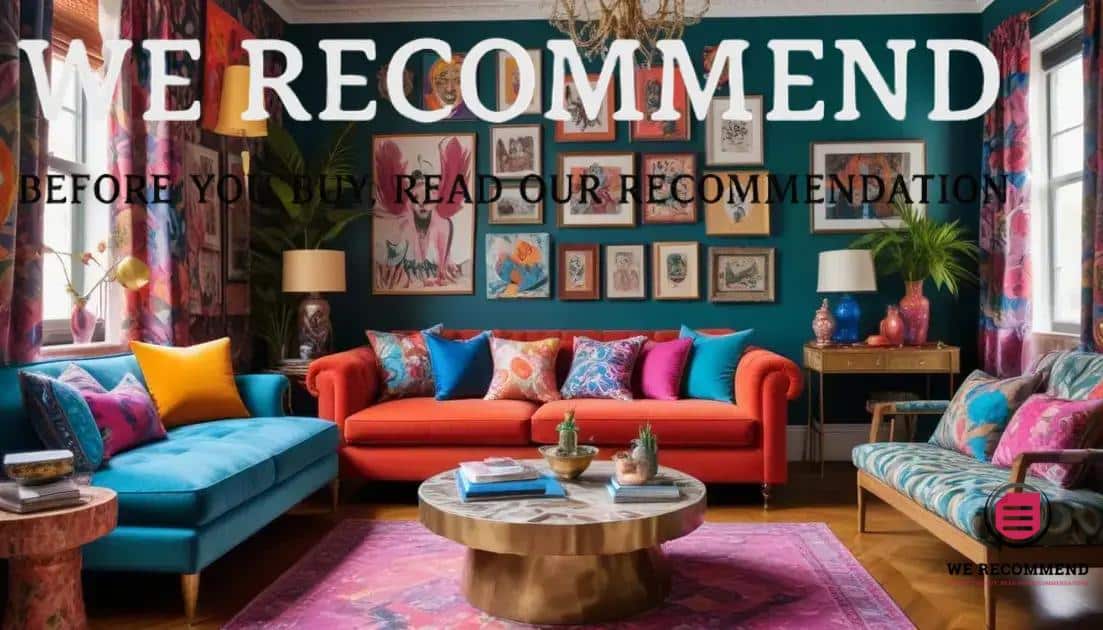
Key features of maximalist design highlight richness and intentional abundance. Bold colors, layered materials, and expressive décor define its core. Each element adds depth while contributing to a cohesive story.
The style invites you to mix textures and patterns with confidence. The combination creates movement and visual interest throughout the room. Personal artifacts play an important role in reinforcing identity.
Maximalism encourages thoughtful curation rather than clutter. The goal is to fill spaces with meaning and emotional value. Every item displayed becomes part of an evolving personal collage.
Combining Old and New
Combining old and new pieces is central to maximalist design. Vintage items add history, while modern pieces bring contrast. The mix creates dynamic spaces filled with character.
This fusion helps balance nostalgia and contemporary style. Pairing antique furniture with newer décor creates harmony. Each layer contributes to a fuller and more expressive environment.
Maximalism invites you to showcase sentimental objects proudly. These items enrich the room’s personality. Together, they form a warm and immersive atmosphere.
Key elements of maximalist design
Key elements of maximalist design create spaces filled with emotion and depth. They transform rooms into expressive and personalized environments. Understanding these elements helps you design with clarity and purpose.
Bold colors form the foundation of maximalist interiors. They shape the mood and bring intensity to every corner. Each shade adds personality and energy to the room.
Patterns play a major role in visual storytelling. Mixing designs adds movement and creates layered interest. This interplay keeps the space dynamic and engaging.
Use of Bold Colors
The use of bold colors strengthens maximalist expression. Jewel tones, deep hues, and vibrant shades anchor the visual identity. They guide the emotional tone of your environment.
Accent walls and colorful furnishings enhance atmosphere. These choices help define room character quickly and effectively. Layering shades adds depth without overwhelming.
Color choices also highlight personal taste. They allow you to create rooms that feel lively and immersive. Thoughtful combinations reinforce cohesion within the abundance.
Textures and Materials
Textures and materials add tactile richness to maximalist design. Combining soft and structured surfaces creates depth and warmth. Each texture contributes to a sensory experience.
Layering different fabrics enhances comfort and charm. Mixing velvet, silk, wool, and leather builds visual complexity. These contrasts create inviting and multidimensional interiors.
Decorative accessories strengthen narrative and expression. Meaningful objects reinforce personal identity. Together, textures and materials shape a luxurious, lived-in feel.
Color palettes and patterns in maximalism
Color palettes and patterns shape the emotional core of maximalism. They bring personality into each space while guiding its atmosphere. Effective combinations create harmony in expressive design.
Bold color selections enhance vibrancy and confidence. Pairing rich hues sets a dynamic visual foundation. These palettes make rooms feel full and engaging.
Patterns introduce movement into the environment. Mixing floral, geometric, and abstract motifs amplifies interest. Layering ensures depth without losing balance.
Picking the Right Colors
Picking the right colors defines your maximalist identity. Deep greens, warm yellows, and saturated reds add dramatic flair. Each shade influences room character and emotional tone.
Strategic color placement enhances flow and cohesion. Using a shared palette across rooms builds continuity. This method stabilizes the abundance of maximalist expression.
Experimentation is encouraged in this design style. Adjusting tones helps refine mood and personality. The goal is to find combinations that feel authentic to you.
Layering Patterns for Impact
Layering patterns increases visual richness and creative intensity. Large-scale prints establish structure and direction. Smaller motifs add detail and harmony throughout the space.
Balancing patterns prevents visual overwhelm. Blending complementary designs maintains clarity. This synergy makes maximalism vibrant and approachable.
With thoughtful layering, patterns tell a story. They connect colors, textures, and decorative pieces. The result is a cohesive and expressive interior experience.
Incorporating textures and layers
Incorporating textures and layers deepens the maximalist aesthetic. These elements create volume and elevate sensory appeal. Together, they turn rooms into immersive environments.
Textures shape how a space feels emotionally and physically. Soft materials enhance comfort and luxury. Hard finishes add contrast and structure.
Layering blends these qualities into a unified whole. Each layer contributes to depth and intentional abundance. This technique reinforces maximalism’s rich identity.
Understanding Texture
Understanding texture helps build expressive and inviting spaces. Fabrics influence mood and tactile experience. Materials work together to create harmony and depth.
Velvets and silks add elegance and softness. Natural fibers provide balance and grounding. Mixing them produces a multidimensional design.
Texture highlights the artistry within maximalism. It enhances visual appeal and emotional warmth. This creates interiors that feel full and welcoming.
Layering in Design
Layering in design maximizes depth and visual storytelling. Stacking elements of various sizes adds movement. Height variation creates rhythm and balance across the space.
Decorative clusters enhance engagement and curiosity. Grouping items thoughtfully avoids clutter. Each vignette contributes to a larger narrative.
Plants can elevate layering and bring freshness. Their shapes introduce natural contrast and texture. Together, layers create a complete and energized space.
Creating a cohesive maximalist space
Creating a cohesive maximalist opulence space requires intentional balance. Abundance becomes powerful when guided by structure and clarity. The goal is to unify expression with harmony.
Establishing a color theme supports cohesion. A defined palette anchors all design choices. This foundation ties diverse pieces into a single story.
Patterns, textures, and objects must work together. Aligning them prevents visual chaos. Every element should feel connected and meaningful.
Establishing a Color Theme
Establishing a color theme ensures unity across the space. Selecting a few main hues creates continuity. These colors guide decisions throughout the room.
Accent décor reinforces the chosen palette effectively. Artwork and furnishings help maintain harmony. Each item amplifies the mood you want to express.
A color theme supports maximalist abundance. It organizes complexity into a coherent experience. This allows bold choices to feel intentional.
Mixing Patterns and Textures
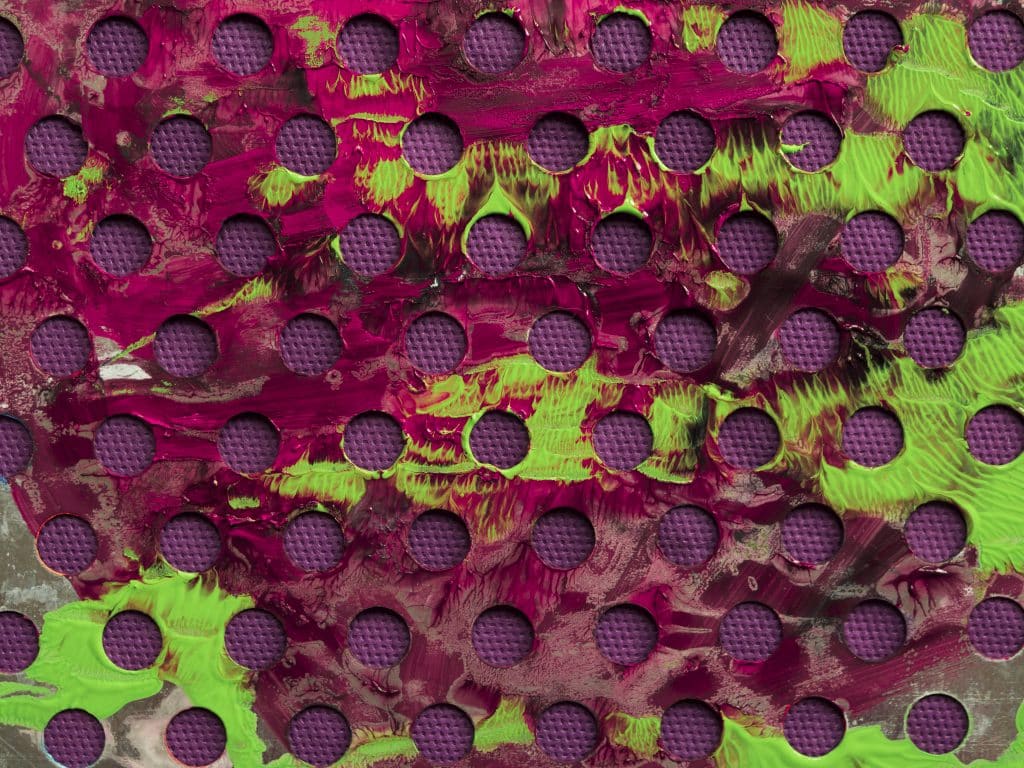
Mixing patterns and textures enhances richness and depth. Complementary designs prevent visual overwhelm. Each element should contribute to balance and personality.
Layering different materials increases comfort and narrative. Soft fabrics contrast beautifully with structured pieces. This interplay elevates emotional engagement.
Repeating motifs or shapes strengthens cohesion. These subtle links unify the space naturally. The result is a vibrant yet organized maximalist interior.
Conclusion
In conclusion, creating a space that embodies maximalist opulence involves balancing bold colors, rich textures, and eclectic patterns.
When you thoughtfully incorporate these elements, each piece contributes to a cohesive narrative in your home. Embrace the joy of layering and mixing, and let your personal style shine through.
Finally, remember that maximalism is all about comfort and creativity, so have fun making your space uniquely yours!
FAQ – Frequently Asked Questions about Maximalist Opulence
What is maximalist design?
Maximalist design is an interior style that embraces bold colors, diverse patterns, and rich textures to create a vibrant and eclectic space.
How can I choose a color palette for my maximalist space?
Select a few primary colors that resonate with you and use them throughout your space to create a unified look while allowing for vibrant contrasts.
What are some tips for incorporating textures in my home?
Mix and match different textiles, such as velvets, silks, and cottons. Layering rugs and using diverse materials can enhance depth and comfort.
Can maximalism be cozy?
Absolutely! Maximalist opulence can feel cozy by incorporating personal touches, inviting textures, and ensuring the space remains warm and welcoming.
Autor