
Circular Fashion Resale Trends in the USA: Key Market Shifts
Anúncios
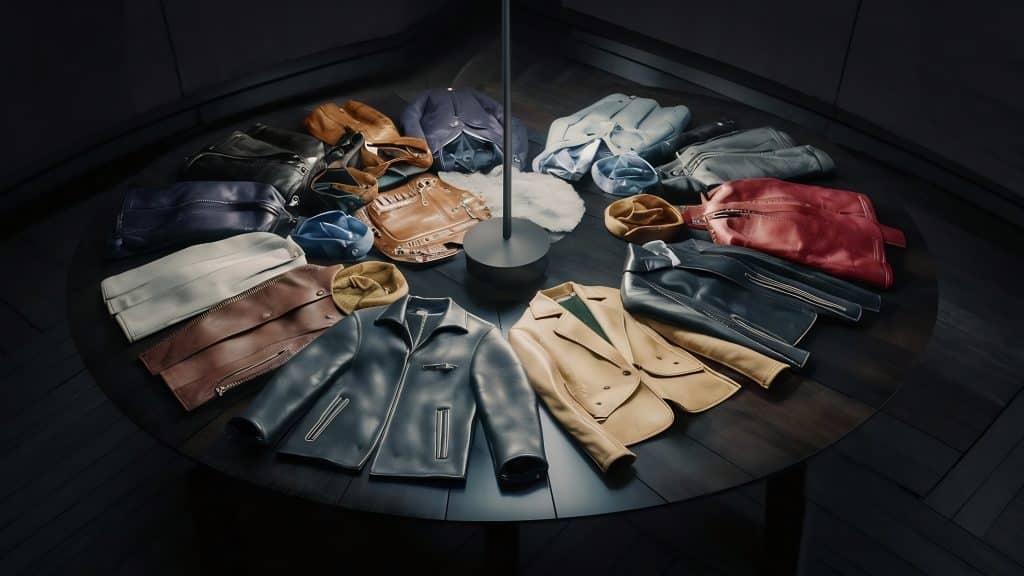
Circular fashion resale trends in the USA are rapidly transforming the fashion industry by encouraging reuse, resale, and recycling instead of disposable consumption. Consumers are increasingly turning to secondhand platforms and vintage shopping as part of a broader movement toward sustainability and more conscious purchasing habits.
Within sustainable fashion, resale models help reduce textile waste, lower carbon emissions, and extend the lifespan of garments. This shift is influencing both independent resale platforms and major brands, many of which are now investing in their own secondhand and recycling initiatives.
Anúncios
Looking ahead, circular fashion resale trends are expected to continue expanding as technology improves authentication, logistics, and online shopping experiences. As environmental awareness grows, resale and reuse are likely to become a central part of how Americans approach fashion and consumption in the years ahead.
Understanding circular fashion
Anúncios
Understanding circular fashion is essential for anyone interested in sustainability and responsible consumption. This concept focuses on creating a closed-loop system where clothing and materials are reused, repaired, recycled, or repurposed instead of being discarded after limited use.
In the field of sustainable fashion, circular fashion aims to minimize waste, reduce environmental impact, and maximize the value of resources throughout a product’s lifecycle. This approach challenges the traditional fast-fashion model by encouraging durability, longevity, and conscious production practices.
Looking ahead, circular fashion is expected to play an increasingly important role in the future of the apparel industry. As consumers and brands prioritize sustainability, innovations in recycling technologies, resale platforms, and eco-friendly materials will continue driving the transition toward more sustainable fashion systems.
The Basics of Circular Fashion
Circular fashion promotes the idea that clothing should be created with its full lifecycle in mind, from production and use to reuse, recycling, or responsible disposal. This approach encourages brands and consumers to think beyond short-term trends and focus on long-term sustainability.
In sustainable fashion, this model emphasizes durable materials, repairability, resale opportunities, and recycling systems that help reduce waste and environmental impact. The goal is to keep garments in circulation for as long as possible instead of following the traditional “produce, use, discard” model.
Looking ahead, circular fashion is expected to become increasingly integrated into mainstream retail strategies. As consumers demand more sustainable options, brands will likely invest further in eco-friendly production methods, recycling technologies, and programs that extend product life cycles.
Key Principles
- Design for Longevity: Clothing should be durable and timeless.
- Repair and Reuse: Encourage consumers to fix items instead of discarding them.
- Recycling: Materials should be recyclable to limit waste.
- Transparency: Brands should be open about their processes and materials.
By integrating these principles, circular fashion can help reduce the impacts of the fashion industry on the environment. It shifts the focus from fast fashion to a more sustainable model.
As consumers, we also play a role in transforming the fashion landscape. Understanding how our choices affect the environment can inspire changes in behavior. It’s important to support companies that prioritize circular practices.
Benefits of Circular Fashion
The benefits of circular fashion are multifaceted. It not only reduces waste but also fosters innovation in materials and design.
Moreover, it strengthens local economies by creating jobs in repair and resale. By embracing this model, we can pave the way for a greener future.
In summary, comprehending circular fashion is vital in today’s climate-conscious world. Embracing this concept could contribute significantly to sustainability efforts in the fashion industry.
The rise of resale platforms
Key Reasons for Growth
Several factors fuel the growth of resale platforms. Firstly, consumers are becoming more conscious of their purchasing decisions and the environmental impact of fast fashion. They are looking for sustainable alternatives, which resale platforms provide.
Secondly, these platforms offer an opportunity to score unique items at lower prices. Shoppers enjoy the thrill of finding rare pieces that fit their personal style.
This leads to a growing community of buyers and sellers who appreciate the charm of secondhand fashion.
Popular Resale Platforms
- Poshmark: This platform allows users to buy and sell new and used clothing easily.
- ThredUp: Known for its vast selection of secondhand clothing, it’s a great place for budget-conscious shoppers.
- Depop: A favorite among younger generations, this app has a fun and social shopping approach.
- eBay: A longstanding player, eBay remains popular for finding unique and vintage fashion items.
The interaction on these platforms is often lively and community-driven. Users share tips and advice on how to best use the platforms, fostering a positive environment.
Additionally, many brands are increasingly recognizing the value of participating in the resale market. This shift shows their commitment to sustainability and resonates with eco-conscious consumers.
Overall, the rise of resale platforms is an exciting development in the fashion industry. It combines consumer demand for sustainable options with the joy of discovering unique clothing. As this trend continues, it holds the potential to reshape how people view and consume fashion.
Consumer behavior in the resale market
Consumer behavior in the resale market is evolving quickly as sustainability becomes a stronger influence on purchasing decisions. Shoppers are increasingly looking beyond low prices and focusing on environmental impact, product longevity, and more conscious consumption habits.
In the world of sustainable fashion, consumers are also valuing individuality and authenticity, seeking unique secondhand pieces that stand out from mass-produced fashion. Vintage items and pre-owned luxury goods often appeal to buyers who want both style and a sense of personal expression.
Looking ahead, this shift in consumer priorities is expected to continue driving growth in the resale market. Brands and platforms that emphasize transparency, sustainability, and curated shopping experiences will likely gain stronger engagement from environmentally aware consumers.
Motivations for Resale Purchases
Many consumers today are motivated by a growing desire to reduce waste and support more ethical consumption habits. This shift has encouraged people to seek products that align with their environmental values and contribute to more sustainable lifestyles.
Within sustainable fashion, buyers are increasingly drawn to items with history, craftsmanship, and authenticity rather than mass-produced trends. Vintage and secondhand products often carry a unique story, making them feel more meaningful and personal to consumers.
Looking ahead, this preference for conscious purchasing is expected to continue influencing the fashion industry. Brands that emphasize transparency, sustainability, and product longevity will likely resonate more strongly with environmentally aware shoppers in the years ahead.
Changing Demographics
The demographics of resale buyers are diverse. Younger generations, especially Millennials and Gen Z, are leading the charge. They prefer shopping on resale platforms due to their affinity for sustainability and the trend of wearing unique, vintage clothing.
- Cost Savings: Shoppers appreciate that they can find high-quality items at a fraction of the original price.
- Fashion Identity: Many consumers use resale shopping to express their individual style without conforming to mainstream trends.
- Sustainable Choices: A significant motivation is the desire to make environmentally friendly decisions, helping to reduce the carbon footprint.
These factors contribute significantly to the growing acceptance of resale as a mainstream shopping option. In addition, the expansion of digital platforms has made it easier than ever for consumers to browse and purchase secondhand items from the comfort of their homes.
Understanding consumer behavior in the resale market is crucial for brands and sellers. They need to cater to this trend by emphasizing sustainability and transparency in their offerings. Fostering a sense of community and engagement on these platforms can also enhance customer loyalty.
Environmental impact of circular fashion
The environmental impact of circular fashion is significant because it promotes a more sustainable and resource-efficient approach to clothing production and consumption. By encouraging reuse, recycling, and longer product life cycles, circular fashion helps reduce textile waste and the demand for raw materials.
In the field of sustainable fashion, this model is viewed as an important strategy for lowering carbon emissions, water consumption, and pollution associated with traditional fashion manufacturing. Practices such as resale, repair, and upcycling contribute to a more responsible and environmentally conscious industry.
Looking ahead, circular fashion is expected to play a growing role in global sustainability efforts as consumers and brands increasingly prioritize eco-friendly alternatives. Continued innovation in recycling technologies and sustainable materials will further strengthen its positive environmental impact.
Reducing Waste
One of the main benefits of circular fashion is its ability to reduce waste and extend the life cycle of clothing and accessories. Unlike the traditional linear model, where products are made, used, and discarded, circular fashion encourages reuse, repair, resale, and recycling.
This approach is central to sustainable fashion because it helps minimize textile waste, reduce pressure on natural resources, and lower the environmental impact of the fashion industry. Consumers are increasingly embracing secondhand shopping and upcycled products as part of more conscious purchasing habits.
Looking ahead, circular fashion is expected to become even more integrated into mainstream retail through resale platforms, recycling programs, and sustainable manufacturing practices. As awareness grows, brands and consumers alike are likely to prioritize longevity and responsible consumption over disposable trends.
Lowering Carbon Footprint
By extending the life of garments, circular fashion helps to lower carbon emissions. A noteworthy reduction in the resources needed for producing new clothes, such as water and energy, signifies a lower overall carbon footprint.
- Resource Efficiency: Circular fashion encourages the use of recycled materials, leading to less demand for virgin resources.
- Energy Conservation: The process of recycling and reusing clothing typically consumes less energy than producing new items.
- Impact on Landfills: Less clothing is sent to landfills, reducing pollution and conserving land.
Another critical aspect is the conservation of water. The fashion industry is one of the largest consumers of freshwater globally. Circular practices help alleviate this burden by promoting quality clothes that last longer, thus decreasing the frequency of purchases.
Furthermore, circular fashion supports biodiversity. Reducing waste means fewer resources are extracted from nature, helping to preserve various ecosystems. The emphasis on sustainable practices in the industry leads to a more respectful relationship with our planet.
Overall, understanding the environmental impact of circular fashion reveals its potential to transform the industry. By prioritizing sustainability, we can work towards a healthier planet and a more responsible approach to fashion consumption.
Challenges facing resale trends
Challenges facing resale trends are important to understand because they directly influence the future growth of the secondhand and circular fashion market. Although demand for sustainable shopping continues to rise, the industry still faces obstacles related to logistics, consumer trust, and product authentication.
Within sustainable fashion, one of the biggest barriers is ensuring transparency and quality consistency across resale platforms. Buyers often worry about counterfeit items, inaccurate descriptions, or poor product conditions, while sellers face challenges involving pricing, shipping, and platform fees.
Looking ahead, overcoming these issues will be essential for long-term market expansion. Improved technology, stronger verification systems, and more standardized resale practices are expected to help build consumer confidence and support the continued growth of sustainable fashion trends.
Trust Issues
One significant challenge in the resale and circular fashion market is building trust between buyers and sellers. Many consumers remain cautious about purchasing secondhand items online due to concerns over authenticity, product condition, and inaccurate descriptions.
This matters because trust directly influences user confidence and platform growth within sustainable fashion and digital resale markets. To address these concerns, platforms are increasingly investing in verified listings, professional authentication services, detailed product images, and transparent return policies.
Looking ahead, technology is expected to play a major role in improving reliability through AI-driven authentication, blockchain tracking, and enhanced seller verification systems. These measures can help create safer, more transparent marketplaces and encourage broader adoption of secondhand shopping.
Market Saturation
As resale becomes more popular, market saturation is a growing concern. With numerous platforms available, standing out becomes increasingly difficult. New sellers may struggle to attract attention among established brands.
- Quality Control: Maintaining high standards for products is essential. Poor-quality items can damage a platform’s reputation.
- Pricing Challenges: Sellers often face difficulties determining fair pricing that attracts buyers while remaining profitable.
- Logistics and Shipping: Handling the logistics of selling secondhand items can be complex, from packaging to shipping costs.
Another hurdle is the perception surrounding secondhand goods. Some consumers still view resale items as lesser or undesirable. Educating shoppers on the benefits of purchasing secondhand is crucial for changing this narrative.
Moreover, technology plays a vital role in addressing these challenges. Investing in user-friendly platforms and utilizing advanced technologies, such as artificial intelligence, can enhance the shopping experience and build consumer confidence.
Ultimately, overcoming these challenges is essential for the growth of resale trends. By fostering a strong community and building trust, the resale market can thrive in the age of sustainability.
Future predictions for circular fashion
Future predictions for circular fashion suggest that the industry will continue expanding rapidly as sustainability becomes a central priority for consumers and brands alike. More shoppers are expected to favor durable, reusable, and secondhand products over fast-fashion alternatives, accelerating the shift toward long-term consumption models.
In the world of sustainable fashion, circular systems such as resale, repair, recycling, and rental services are becoming increasingly important. Brands like Coach and other luxury labels are already investing in initiatives that extend product life cycles and reduce waste.
Looking ahead, technological innovation and changing consumer behavior will likely strengthen circular fashion even further. Improved authentication systems, eco-friendly materials, and digital resale platforms are expected to make sustainable fashion more accessible, efficient, and mainstream in the coming years.
Expansion of Resale Platforms
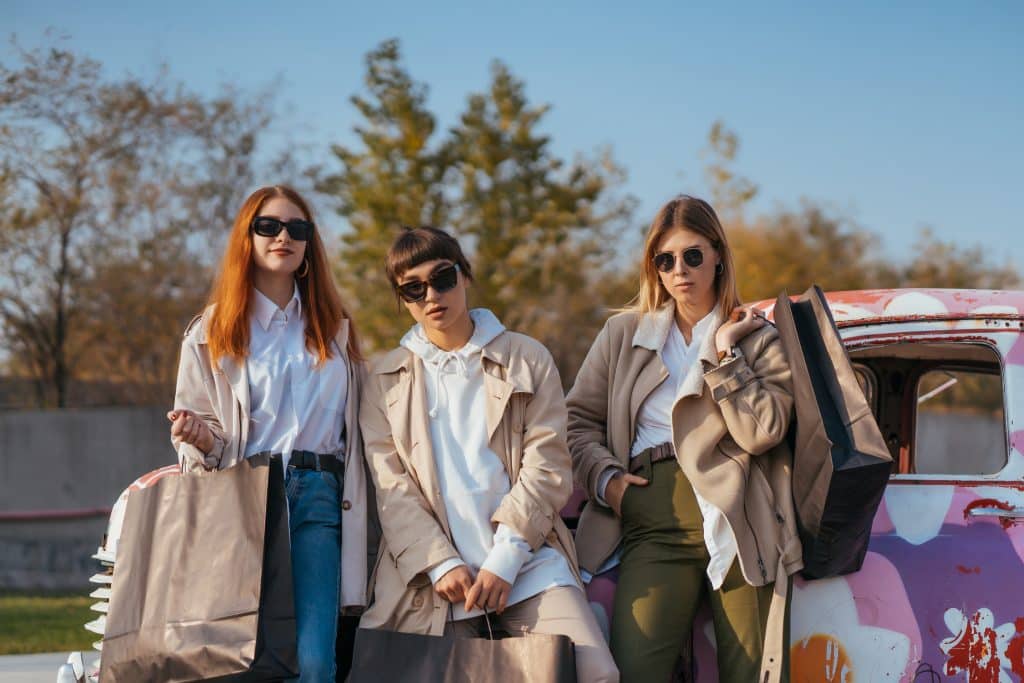
One major prediction for the fashion and resale industry is the continued expansion of resale platforms, driven by growing consumer interest in sustainability and circular fashion. Brands such as Coach are expected to strengthen their presence in the secondhand market by developing dedicated resale programs and authenticated vintage collections.
This matters because consumers are increasingly valuing affordability, sustainability, and unique fashion pieces over traditional fast-fashion consumption. The rise of brand-backed resale platforms also helps build trust, ensuring product authenticity and improving the overall shopping experience for buyers and sellers alike.
Looking ahead, advances in technology will further transform the resale ecosystem through AI-powered recommendations, digital authentication, and smoother marketplace experiences. These innovations are expected to make buying and selling secondhand fashion faster, safer, and more accessible in the years ahead.
Innovative Materials
The development of innovative materials will also play a vital role. Companies are focusing on creating sustainable fabrics from recycled materials, which will help reduce waste further.
- Biodegradable Fabrics: Expect to see more biodegradable options that reduce landfill waste.
- Smart Textiles: Textiles that monitor wear and tear could lengthen the life of clothing.
- Closed-Loop Production: Brands will adopt closed-loop systems to keep resources in use for as long as possible.
Another prediction involves increased collaboration between brands, suppliers, and consumers. As the industry shifts, partnerships will be crucial for creating a more sustainable ecosystem. Transparency in sourcing and production will also become a vital expectation for consumers.
Education and awareness will rise as well. Consumers will increasingly want to know where their clothes come from and how they are made. This shift will elevate brands that prioritize ethical practices.
Ultimately, the future looks promising for circular fashion. As trends evolve and innovation continues, the landscape of the fashion industry will transform into a more sustainable and responsible environment.
FAQ – Frequently Asked Questions About Circular Fashion
What is circular fashion?
Circular fashion is a sustainable approach that focuses on reusing, recycling, and reducing waste in the clothing industry.
Why is resale important for sustainability?
Resale extends the life of clothing, reducing landfill waste and the demand for new resources, making fashion more environmentally friendly.
How can consumers support circular fashion?
Consumers can support circular fashion by choosing to buy secondhand, opting for brands that prioritize sustainability, and recycling their garments.
What challenges does circular fashion face?
Challenges include trust issues between buyers and sellers, market saturation, and the need for consumer education about secondhand goods.
Autor