U.S. Luxury Fashion Outlook: Slowdown, Spending, and Trends
Anúncios
The luxury fashion market is adapting to changes by embracing technology, focusing on sustainability, enhancing customer engagement, and developing versatile product offerings to meet evolving consumer demands.
The luxury fashion slowdown US market has become a topic of discussion among industry insiders and consumers alike.
Anúncios
What’s driving this change? Let’s explore key factors that could reshape luxury shopping experiences.
Current trends in luxury fashion
The luxury fashion industry is constantly evolving, and today we see some significant trends shaping its future. Understanding these trends is vital for brands and consumers alike.
Anúncios
One major trend is the focus on personalization. Customers are looking for unique experiences and tailored products that reflect their individual styles.
This desire has led brands to offer more customized options, allowing shoppers to create pieces that are distinctly their own.
Sustainability and Ethical Fashion
Sustainability is more than just a buzzword in luxury fashion; it’s a crucial element driving purchasing decisions.
Brands are increasingly incorporating eco-friendly materials and ethical production practices to appeal to environmentally conscious consumers.
Many shoppers are willing to pay a premium for products that are not only beautiful but also sustainable.
- Use of organic and recycled materials
- Transparent supply chains
- Fair labor practices
As sustainability becomes more important, we can expect to see luxury brands adapting their strategies to prioritize responsible sourcing.
Digital Transformation
The digital landscape significantly impacts how consumers shop for luxury items. Online shopping is no longer just an alternative; it has become mainstream.
Brands are investing in exclusive online collections and virtual showrooms to enhance the online shopping experience. Social media also plays a vital role, as brands engage with customers through platforms like Instagram and TikTok.
With these shifts, luxury brands must refine their digital strategies to stay relevant in a competitive market. Shopping online offers a new convenience, but customer experience must remain a priority.
In summary, the current trends in luxury fashion emphasize personalization, sustainability, and digital transformation. These elements reflect changing consumer values and expectations, which will continue to shape the industry.
Factors causing the slowdown
The luxury fashion market is currently experiencing a slowdown due to several influencing factors.
Understanding these elements is essential for brands and consumers. One significant cause of the slowdown is economic uncertainty.
When consumers face financial instability, they are less likely to spend on high-end fashion. Price sensitivity increases, and luxury items may be viewed as less essential.
Changing Consumer Priorities
As priorities shift, younger consumers are placing greater emphasis on meaningful purchases over indulgent spending.
Many are seeking value and quality rather than simply following trends. This change signals a move towards conscious consumption in the luxury sector.
- Emphasis on experiences over possessions
- Desire for sustainability in products
- Interest in supporting local brands
These shifts in consumer behavior highlight the importance of adapting to meet evolving demands.
Global Supply Chain Issues
The global supply chain has also faced disruptions, affecting availability and delivery of luxury goods. Delays in production and shipping can lead to shortages, which, in turn, impact sales. Brands must navigate these challenges to maintain consumer loyalty.
These supply chain issues are compounded by rising costs for raw materials and labor, leading to increased prices that can deter potential buyers. As a result, brands are re-evaluating their pricing strategies.
The combination of economic uncertainty, changing consumer priorities, and supply chain disruptions forms the backbone of the current slowdown in the luxury fashion market. Brands that adapt to these changes will have a better chance of thriving.
Consumer behavior shifts in luxury markets
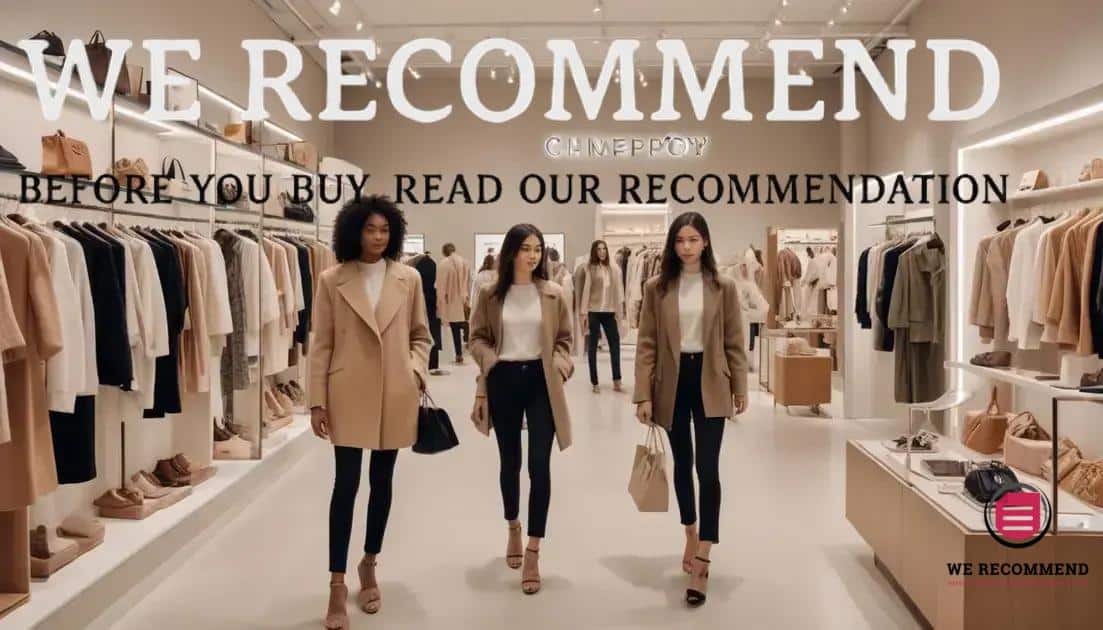
Understanding consumer behavior shifts in luxury markets is crucial for brands hoping to remain relevant.
Recent trends show how buyers are evolving, leading to significant changes in purchasing patterns.
The Rise of Conscious Consumers
Today’s luxury shoppers are more informed and conscientious about their choices. They are increasingly seeking brands that align with their personal values, particularly regarding sustainability and ethical practices. The demand for transparency in the production process is higher than ever.
- Interest in eco-friendly materials
- Support for brands with ethical labor practices
- Preference for sustainable packaging
This shift indicates a growing trend where consumers prioritize making a positive impact through their purchases.
Experience Over Products
Another significant change is the preference for experiences over products. Many consumers are beginning to value experiences, like travel or gourmet dining, over merely acquiring luxury goods.
This trend reflects a broader shift in lifestyle choices. As a result, luxury brands are adjusting their offerings.
They are now creating exclusive experiences, such as private shopping events or luxury travel packages, to cater to this new mindset.
Influence of Social Media
Social media platforms play a vital role in shaping consumer behavior in luxury markets. Influencers and celebrities showcase luxury items, making them more accessible and desirable. Social proof now heavily influences purchasing decisions, as consumers often look to their favorite personalities for style inspiration.
Brands need to adapt their marketing strategies to harness the power of social media effectively. Engaging content and targeted collaborations can help connect with younger audiences.
By observing these shifts in consumer behavior, it’s clear that brands in the luxury sector must become more adaptable and responsive. Focusing on sustainability, enhancing experiences, and leveraging social media will be key components in capturing the attention of today’s discerning shoppers.
Impact on retail strategies
The impact on retail strategies within the luxury fashion market is becoming increasingly significant as emerging trends continue reshaping consumer expectations and shopping behaviors worldwide. Retailers are now under pressure to modernize their approaches while maintaining exclusivity and premium brand positioning.
Luxury consumers today expect seamless digital experiences, personalized recommendations, and stronger connections between online and physical shopping environments. This shift is encouraging brands to invest heavily in e-commerce platforms, artificial intelligence, and customer engagement strategies.
To remain competitive, retailers must adapt quickly to changing market demands by focusing on innovation, sustainability, and experiential shopping concepts. Industry analysts believe brands that successfully combine technology with luxury experiences will strengthen customer loyalty and long-term growth.
Embracing Omnichannel Approaches
Luxury brands are increasingly embracing omnichannel retailing. This strategy integrates online and offline shopping experiences, allowing consumers to interact with brands seamlessly across various platforms. When consumers can shop both in-store and online, their satisfaction grows.
- Click-and-collect options for convenience
- Enhanced online platforms with virtual showrooms
- Personalized experiences across channels
This approach not only improves customer convenience but also drives sales by reaching consumers where they are most comfortable.
Enhanced Customer Experience
Providing an exceptional customer experience is now more critical than ever. Luxury retailers are focusing on creating memorable shopping experiences.
This includes personalized interactions, exclusive events, and expert consultations. Customers value being treated uniquely and appreciate special attention.
Having knowledgeable staff who can offer personalized recommendations enhances the shopping journey. This focus on customer service can increase brand loyalty and encourage repeat business.
Data-Driven Decision Making
Retailers are leveraging data analytics to understand consumer preferences better. Knowledge gained from data allows brands to create targeted marketing strategies and tailor their product offerings.
By analyzing purchasing trends, brands can adapt their inventory and marketing to meet current demands.
Using data also helps businesses identify potential market opportunities and adjust sales tactics accordingly. This information is vital for staying ahead in a rapidly changing market.
Overall, the impact on retail strategies in the luxury fashion segment emphasizes the need for flexibility and responsiveness. Adopting omnichannel approaches, enhancing customer experiences, and utilizing data effectively are key elements for success.
Predictions for future luxury trends
The predictions for future luxury trends indicate a strong movement toward innovation, sustainability, and more personalized consumer experiences across the global fashion industry. Luxury brands are increasingly adapting their strategies to align with changing customer expectations and modern lifestyle preferences.
Today’s consumers are placing greater importance on ethical sourcing, environmentally responsible production, and digital engagement when interacting with premium brands. This transformation is encouraging companies to invest in eco-friendly materials, advanced technology, and more transparent business practices.
As consumer behaviors continue evolving, luxury fashion houses are expected to balance exclusivity with accessibility through digital platforms, limited collections, and immersive shopping experiences. Industry experts believe brands that embrace flexibility and innovation will remain competitive in the future luxury market.
Sustainability Will Take Center Stage
One major trend we can expect is an even stronger focus on sustainability. Luxury brands are already starting to prioritize eco-friendly materials and ethical production methods.
As consumers demand more transparency, brands will need to ensure they provide clear information about their sourcing and manufacturing processes.
- Increased use of biodegradable materials
- Commitment to carbon neutrality
- Innovative recycling programs
This emphasis on sustainability not only appeals to environmentally conscious shoppers but also enhances brand loyalty.
Technological Integration
Another prediction points to the integration of advanced technology in luxury shopping experiences.
As augmented reality (AR) and virtual reality (VR) technologies improve, luxury brands will adopt these tools. This could include virtual try-on features and immersive shopping experiences.
In addition, brands will likely utilize artificial intelligence to enhance customer interactions. Personalized recommendations based on shopping history are an example of how technology can create a tailored shopping experience.
Shift Toward Inclusivity
The future also looks bright for inclusivity in luxury fashion. Brands that embrace diversity will resonate with a broader audience. Expect to see more options for different body types, ages, and cultural backgrounds in luxury offerings.
This shift towards inclusivity will not only reflect societal changes but also open new markets for luxury brands. As customers see themselves represented, their connection to the brand deepens.
In summary, predictions for future luxury trends reflect a market that is becoming more sustainable, technologically advanced, and inclusive. Brands that adapt to these trends will likely thrive in an increasingly competitive landscape.
Adapting to the changing market landscape
Embracing New Technologies
One way brands are adapting is by embracing new technologies. This includes enhancing e-commerce platforms to provide seamless online shopping experiences.
Virtual try-ons and augmented reality features are becoming more common, allowing customers to engage with products from the comfort of their homes.
- Development of immersive online shopping experiences
- Utilization of AI for personalized recommendations
- Blockchain for transparent supply chains
By leveraging these technologies, brands can improve customer engagement and streamline their operations.
Focus on Customer Engagement
Luxury brands are also increasing their focus on customer engagement. Building strong relationships with consumers is essential in this changing landscape.
Brands achieve this by utilizing social media platforms to interact with customers and gather feedback.
Engaging content, such as behind-the-scenes looks and exclusive events, fosters a sense of community. This approachable brand image can help attract new consumers who value connection and authenticity.
Developing Versatile Offerings
As consumer needs evolve, brands must develop versatile product offerings. This means creating collections that are not only luxurious but also functional and adaptable to various lifestyles. Consumers are now interested in multi-purpose items that seamlessly fit into their lives.
Additionally, brands should be attentive to trends in sustainability and inclusivity. By prioritizing these values, luxury brands can meet the demands of a diverse and discerning customer base.
In summary, adapting to the changing market landscape requires luxury brands to embrace technology, enhance customer engagement, and create versatile offerings. Brands that succeed in these areas will likely thrive in the competitive luxury market.
Conclusion
In conclusion, the luxury fashion market is adapting to a rapidly changing landscape. Brands are embracing technology, enhancing customer engagement, and focusing on sustainability.
The future will see a blend of innovation and tradition as consumers seek authentic experiences and ethical practices.
Those brands that successfully navigate this evolution will thrive in an increasingly competitive environment.
FAQ – Common Questions about Luxury Fashion Market Trends
How are luxury brands adapting to technological changes?
Luxury brands are embracing new technologies like AR and VR to enhance online shopping experiences and improve customer engagement.
What role does sustainability play in the luxury fashion market?
Sustainability is crucial, with brands focusing on eco-friendly materials and ethical practices to meet consumer demand for transparency.
Why is customer engagement important for luxury brands?
Customer engagement helps build strong relationships, allowing brands to connect with consumers and foster loyalty through social media and personalized experiences.
What can we expect from future luxury trends?
Future trends include a stronger emphasis on sustainability, increased use of technology, and a focus on inclusivity to cater to diverse consumer needs.
Autor